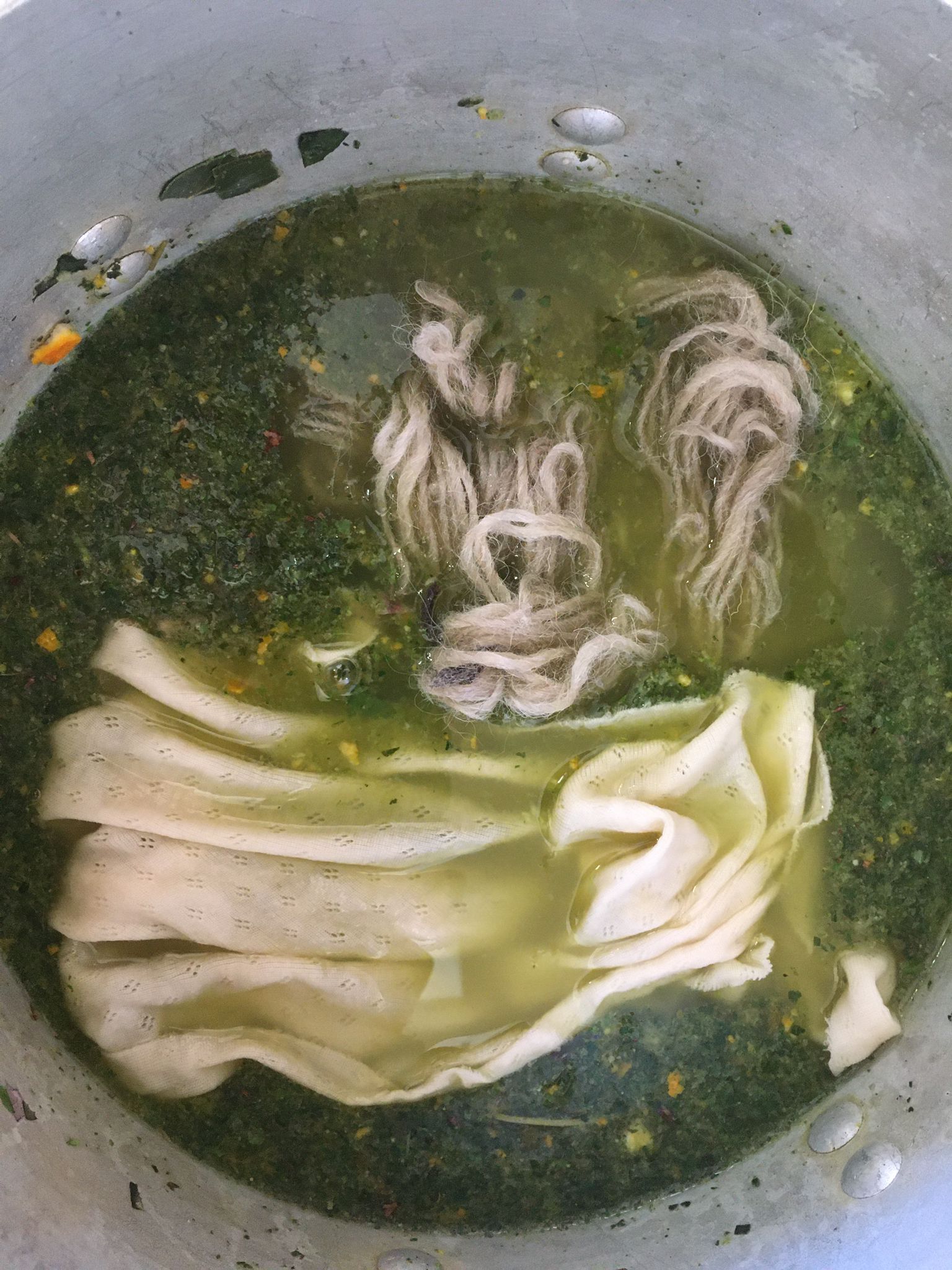
Weaving Threads
heritage breed wool from small businesses, sourced from Gothfarm yarns, bull kelp coil (Nereocystis Luetkeana) found/repurposed fibers, food waste, plant matter.
Thirty artists and scientists a two-part weaving workshop using collected organic matter. First they met online to learn to dye with natural pigments and subsequently attended a weaving performance with their dyed fibers to reflect on the process of making as a material attachment to marine and land environments through co-creation and community reflection.
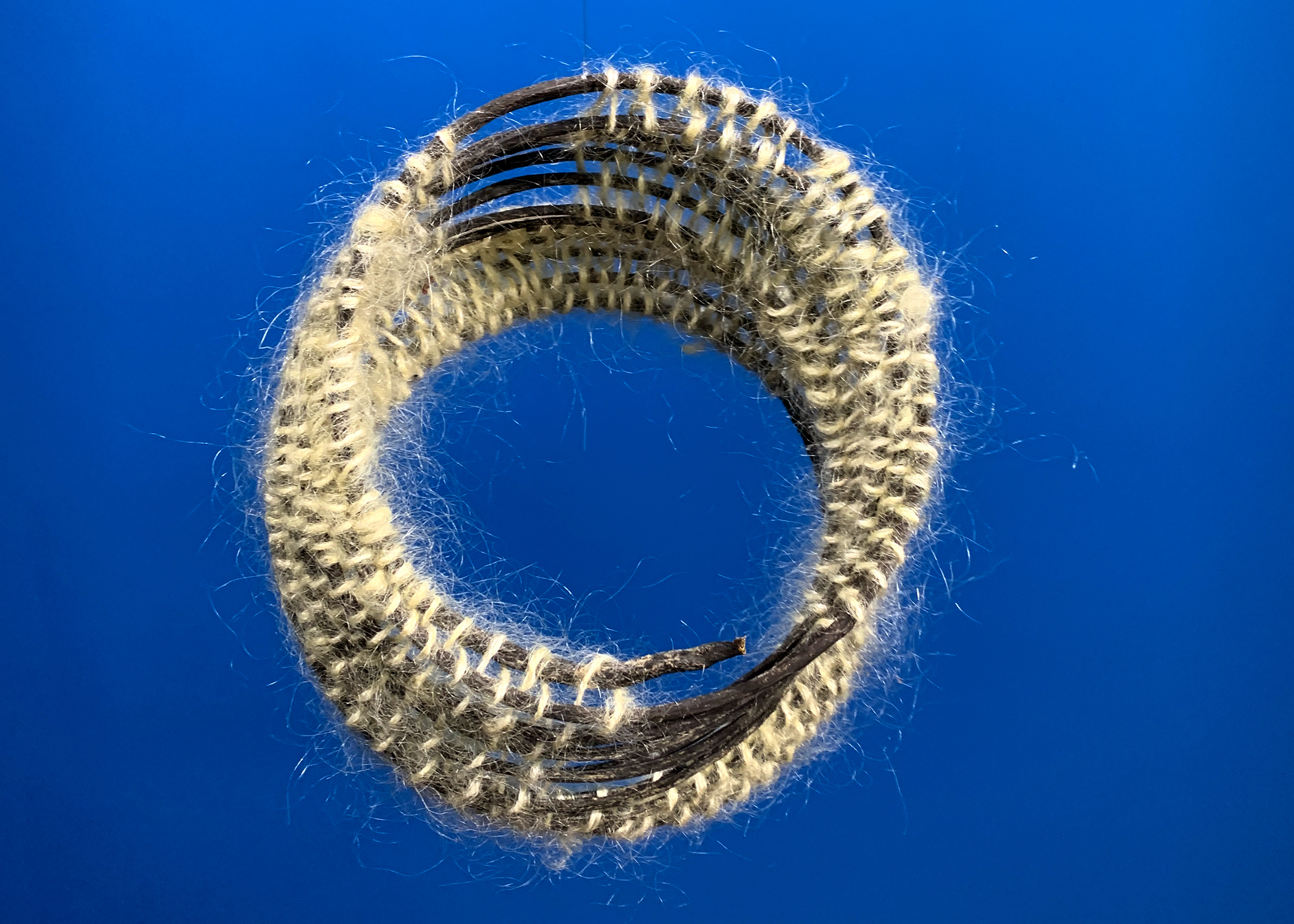
Weaving by Ayla
“The elder flower leaves that I used gave it a real sweet camomile kind of smell” – Ayla
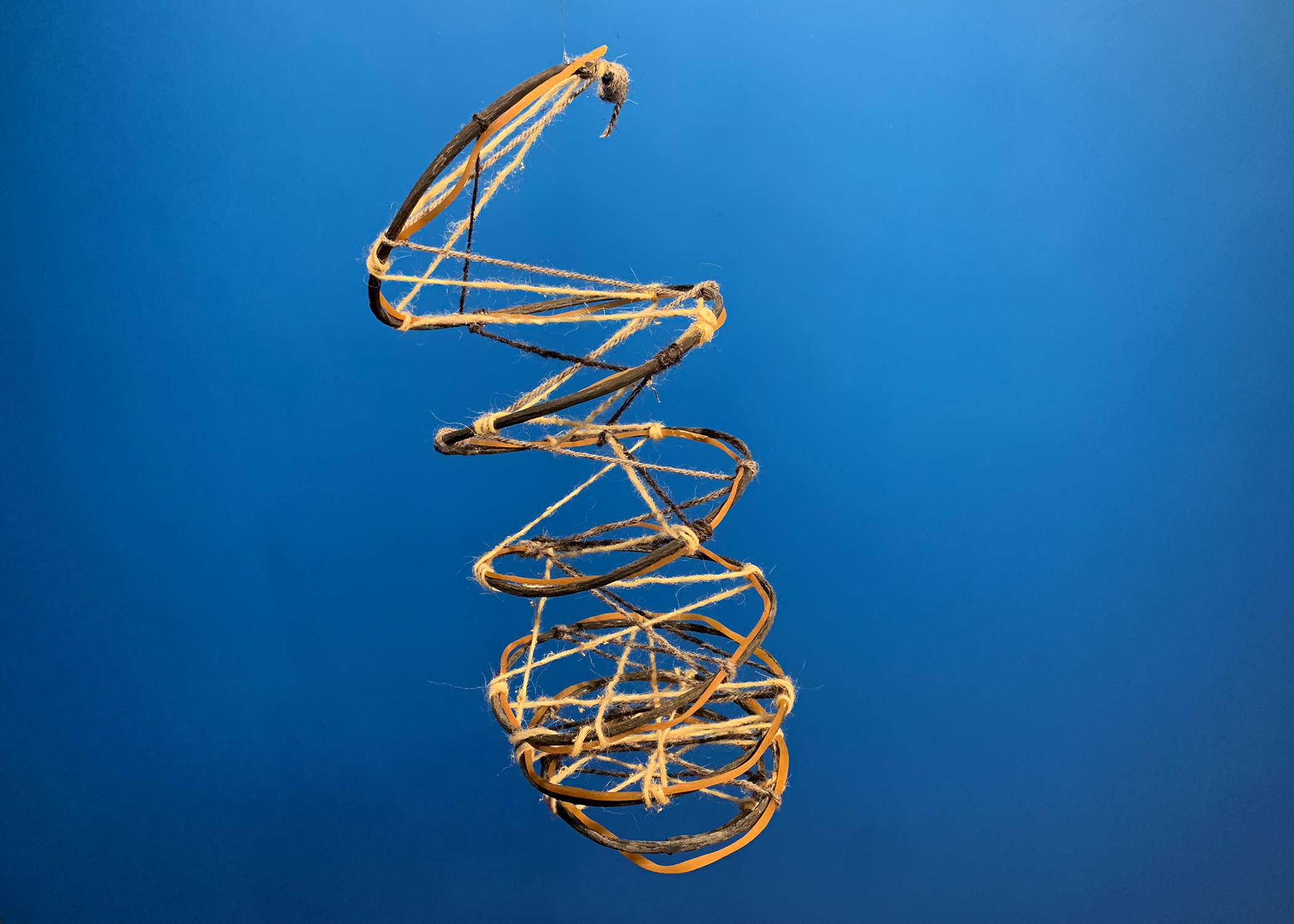
Weaving by Maru Fierro-Garcia
“Thinking about the journey of these fibers or materials to get in our hands, it feels weird even to call them materials. These are other beings in different phases of their life or existence. They have been so many things to so many other beings. It feels more like co-creation.” – Bobby Joe Smith III
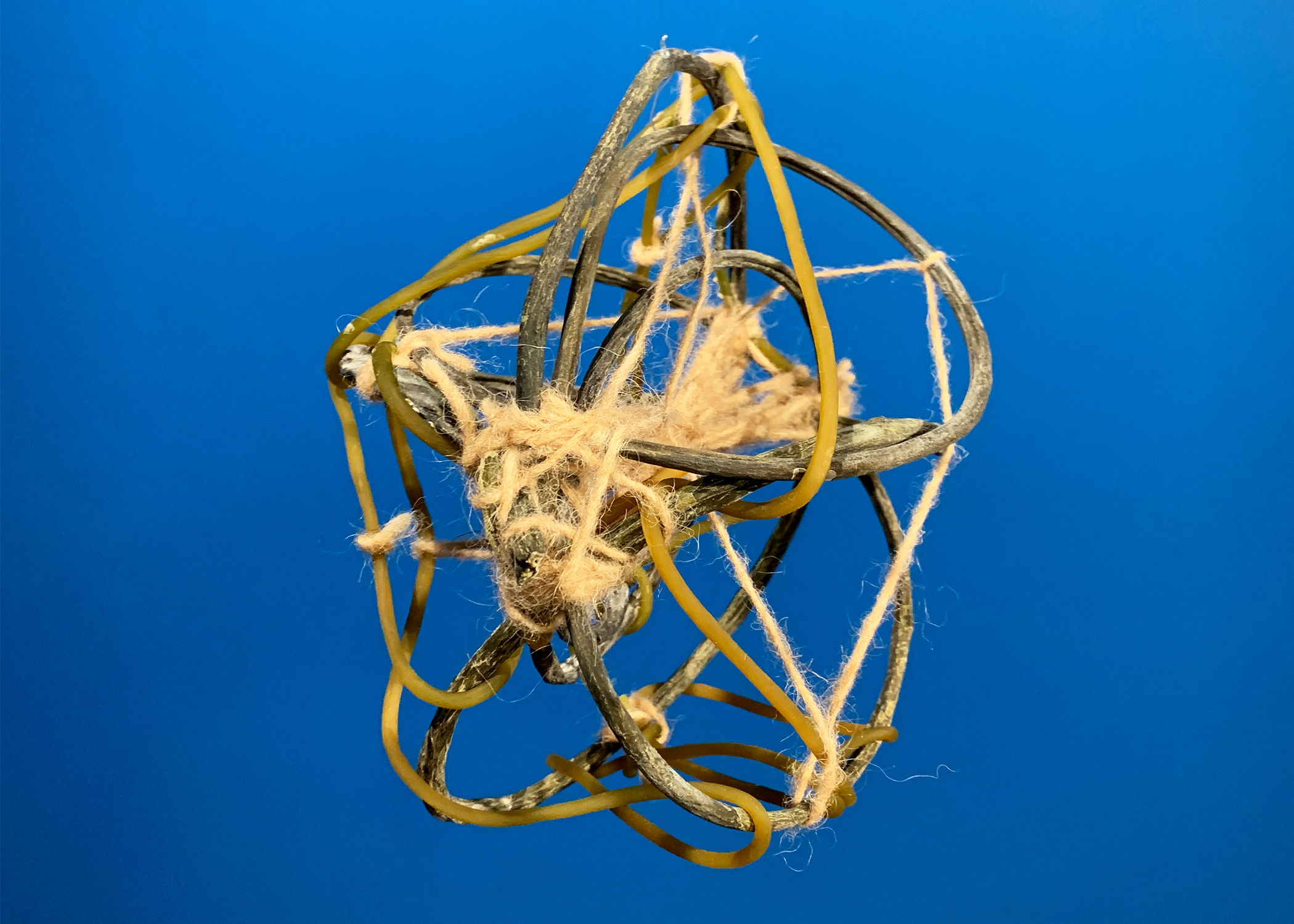
Weaving by Zhengzhou
“When I am taking photos I am thinking of what a kelp forest looks like or my interpretation of it digitally. So many people are seeing the kelp forest but I hope that people can interact with the kelp forest by feeling and experiencing it and touching it.” – Patrick Webster
Weaving Threads Part I
30 artists and scientists received a package in the mail with materials for a weaving workshop
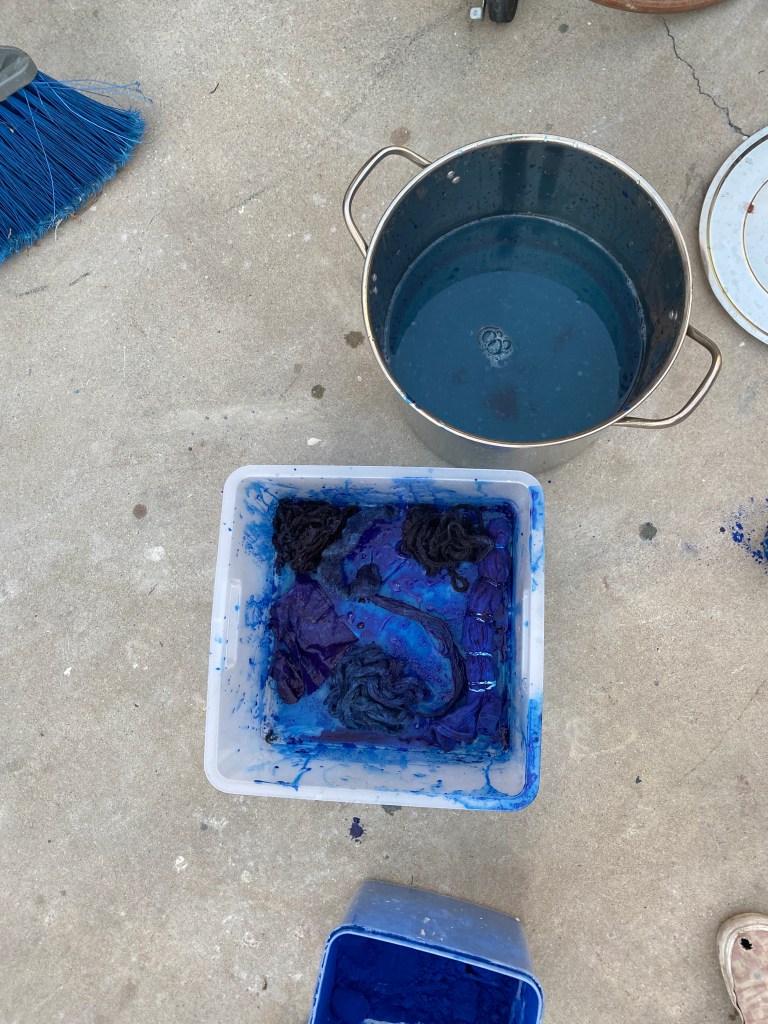
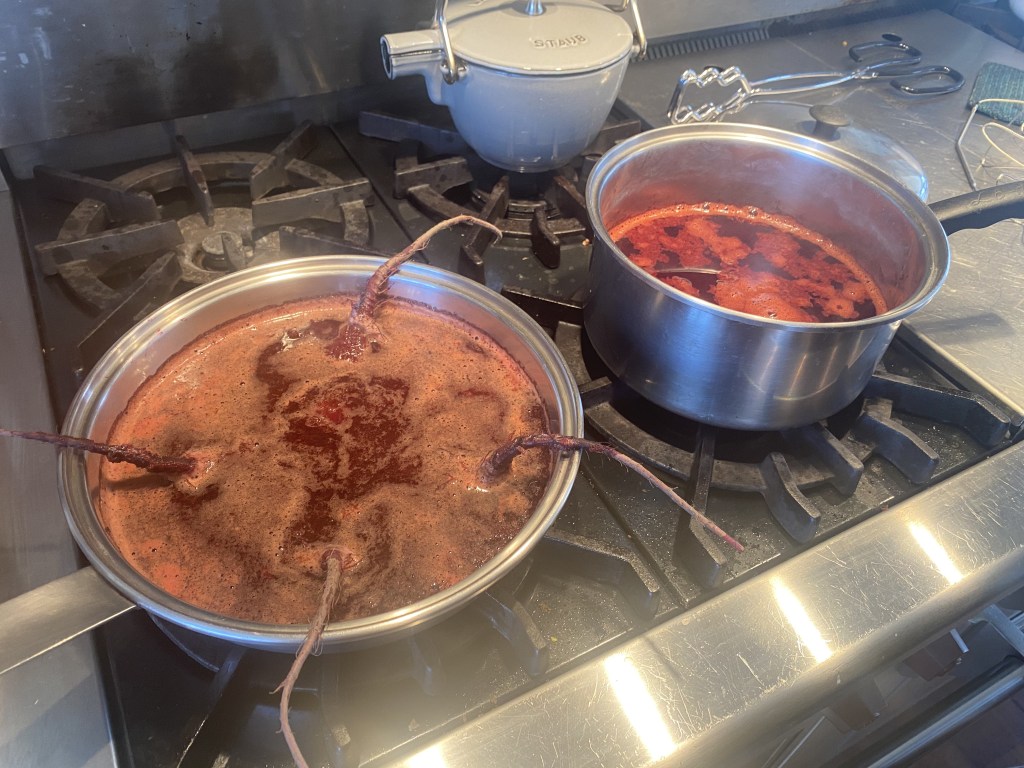
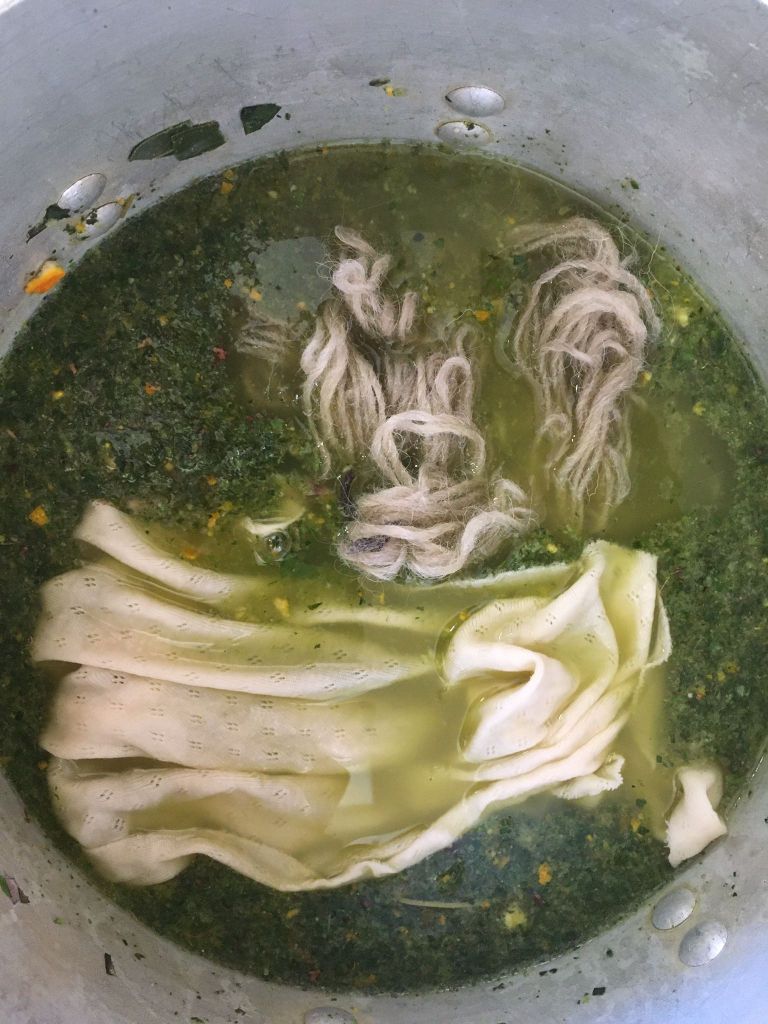
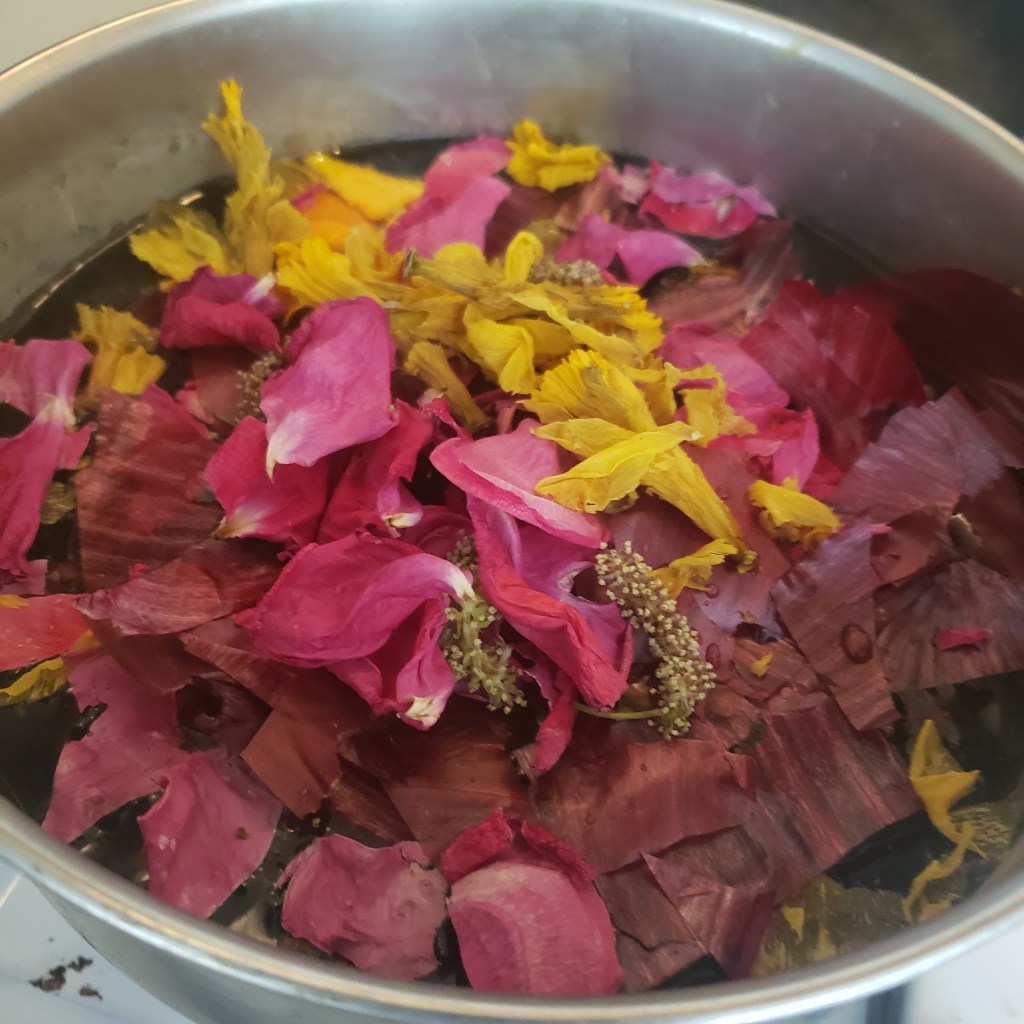
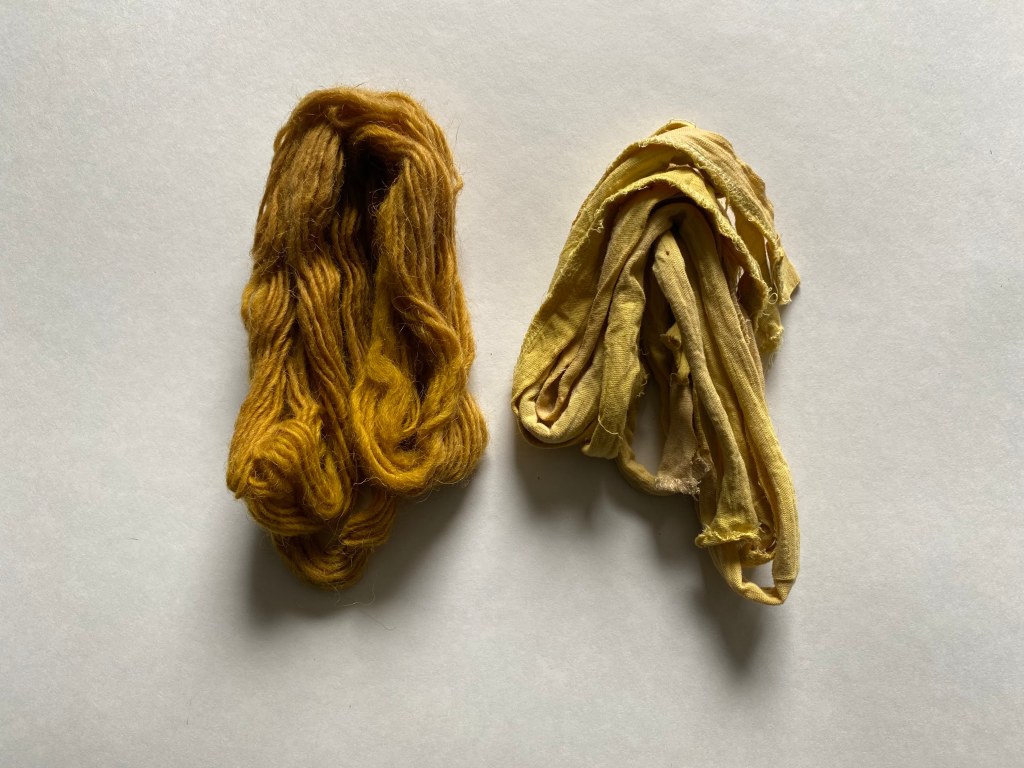
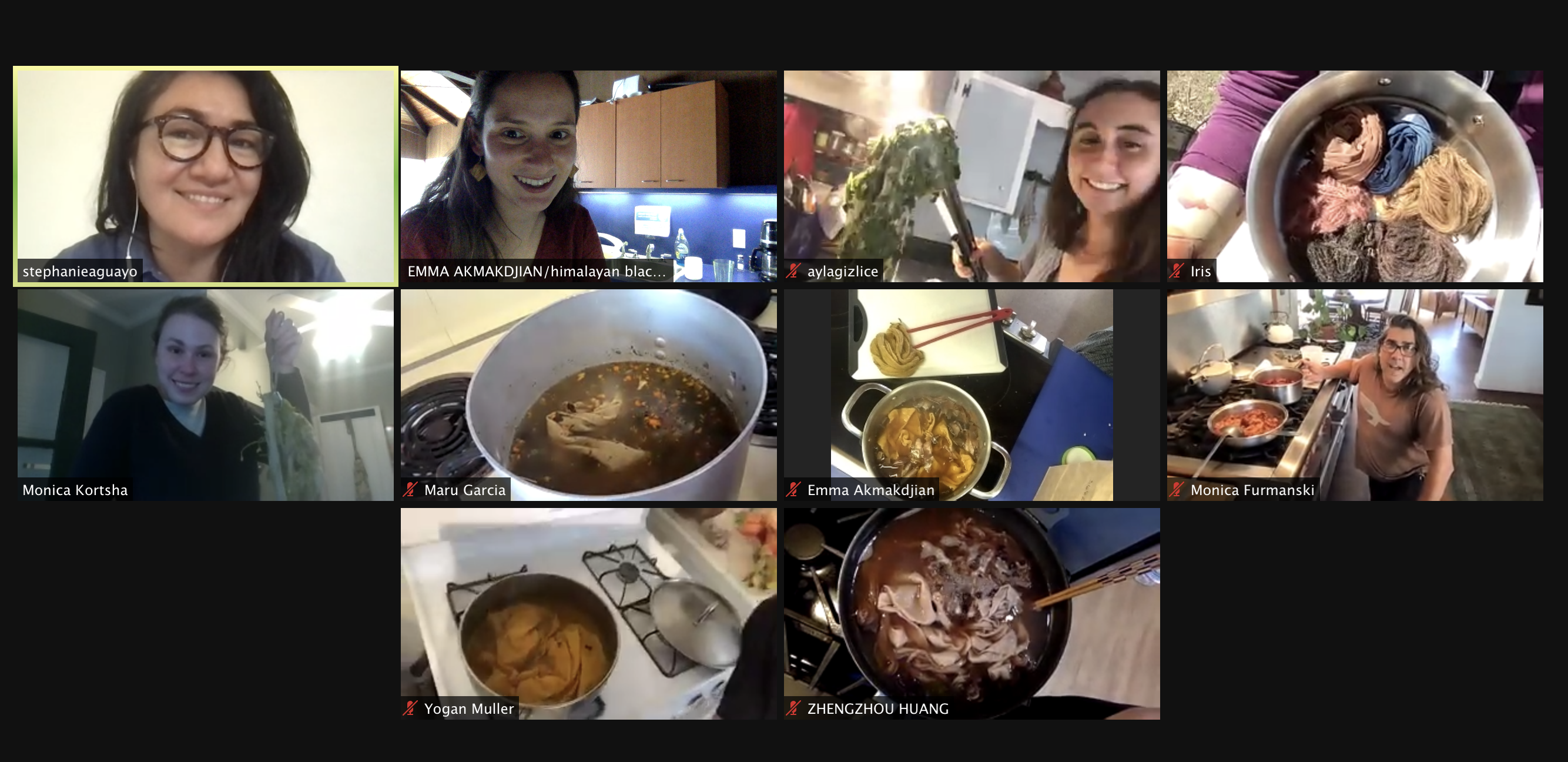
They met online next to their stoves to boil fibers with natural dyes, guided by master dyer, Stephanie Aguayo.
Weaving Threads Part II
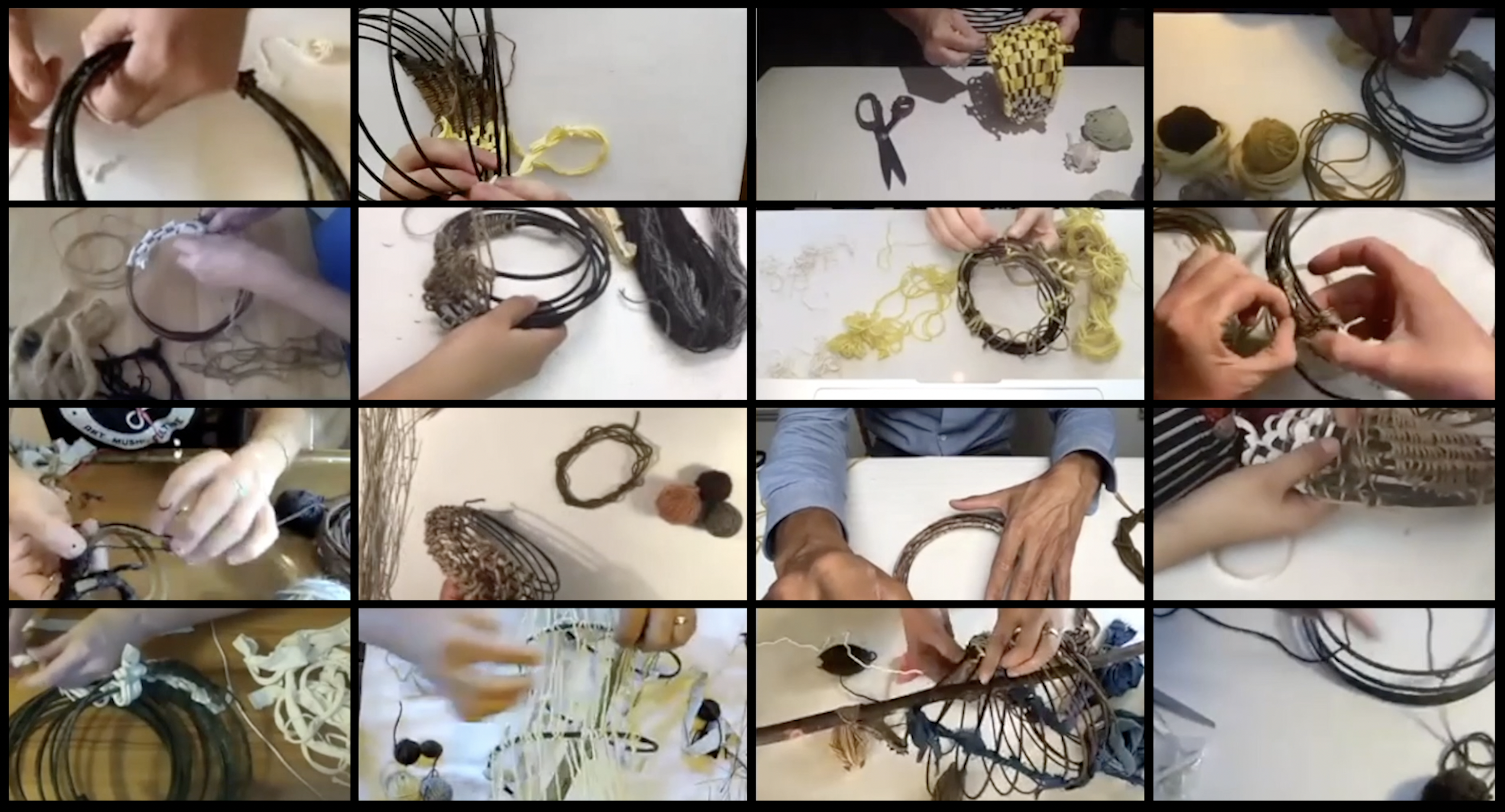
Two weeks later they reconnected to weave together and listen to the voices of a dozen scientists along the California Coast describing their subjective experience working with kelp forests and their first hand experience witnessing their decline with climate change.
 emma Akmakdjian