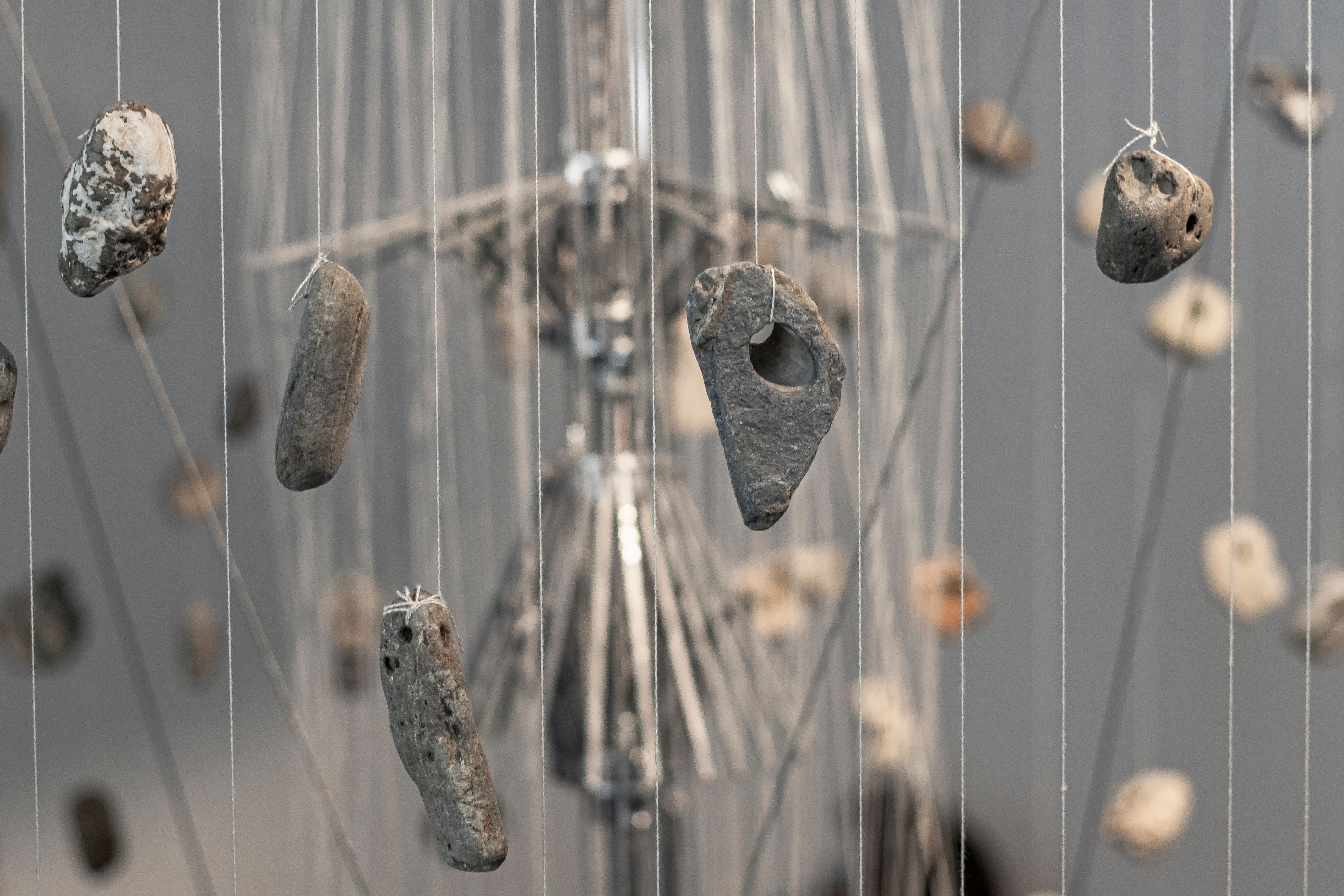
Cylindrical Loom
Eighty-eight stones drilled by boring clams, oak, walnut, silk, cotton, wool and plywood. 800+ hours of labor, salvaged stainless steel rods collected on the beach from a boat wreck in San Pedro, Winter 2023.
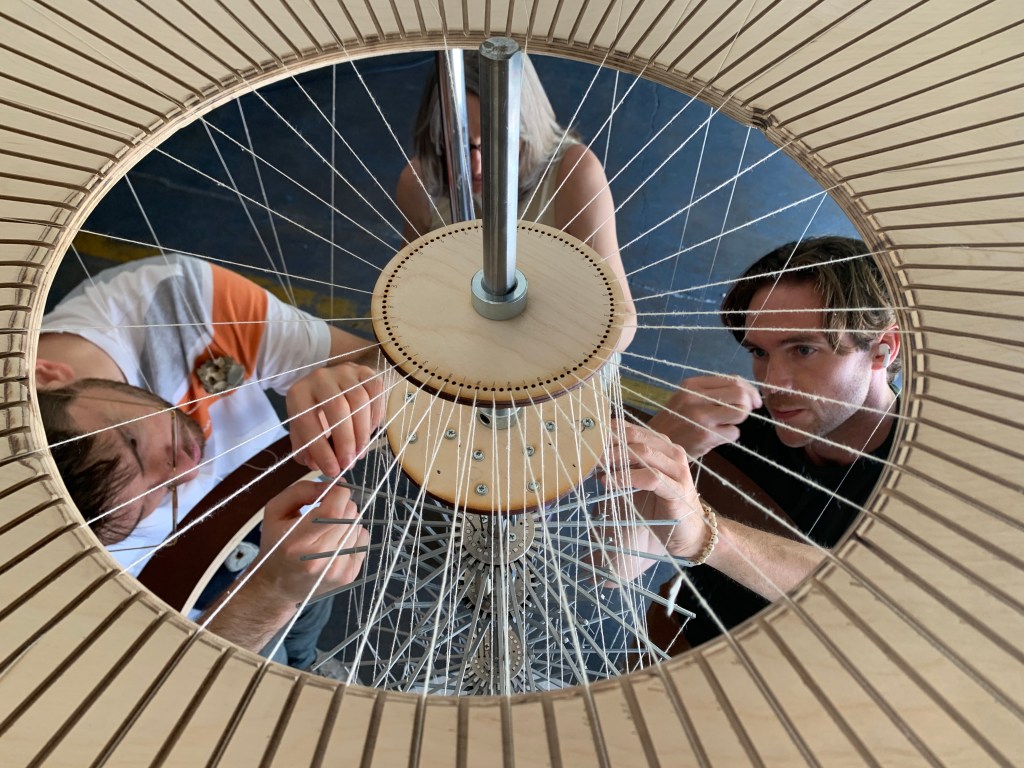
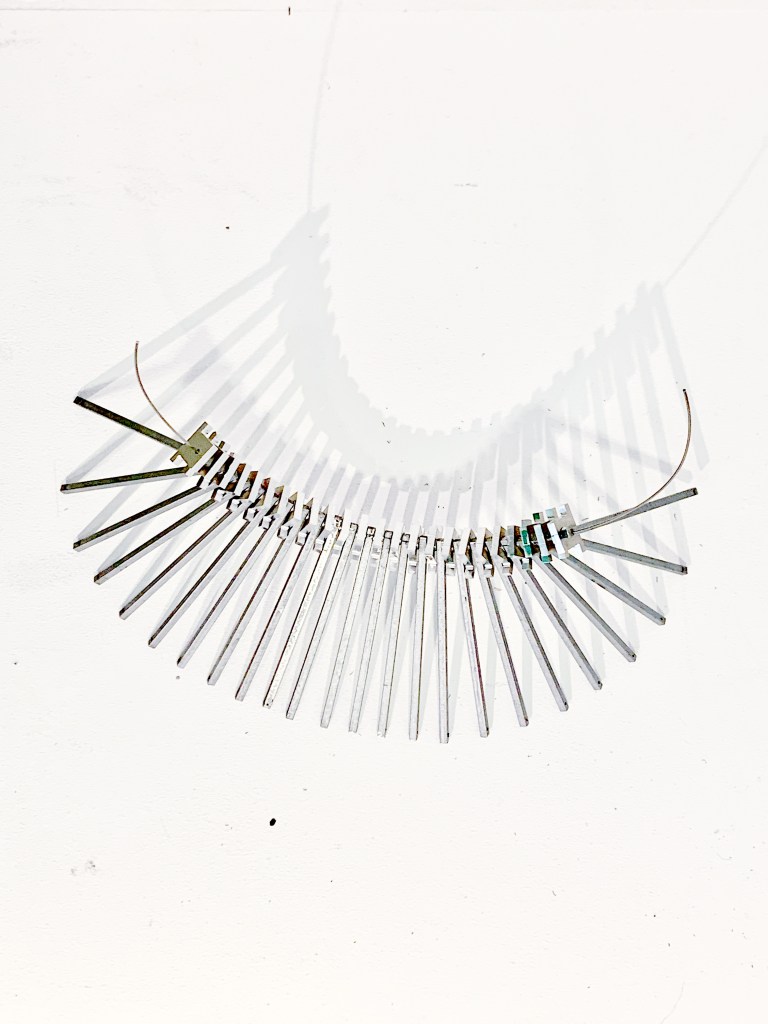
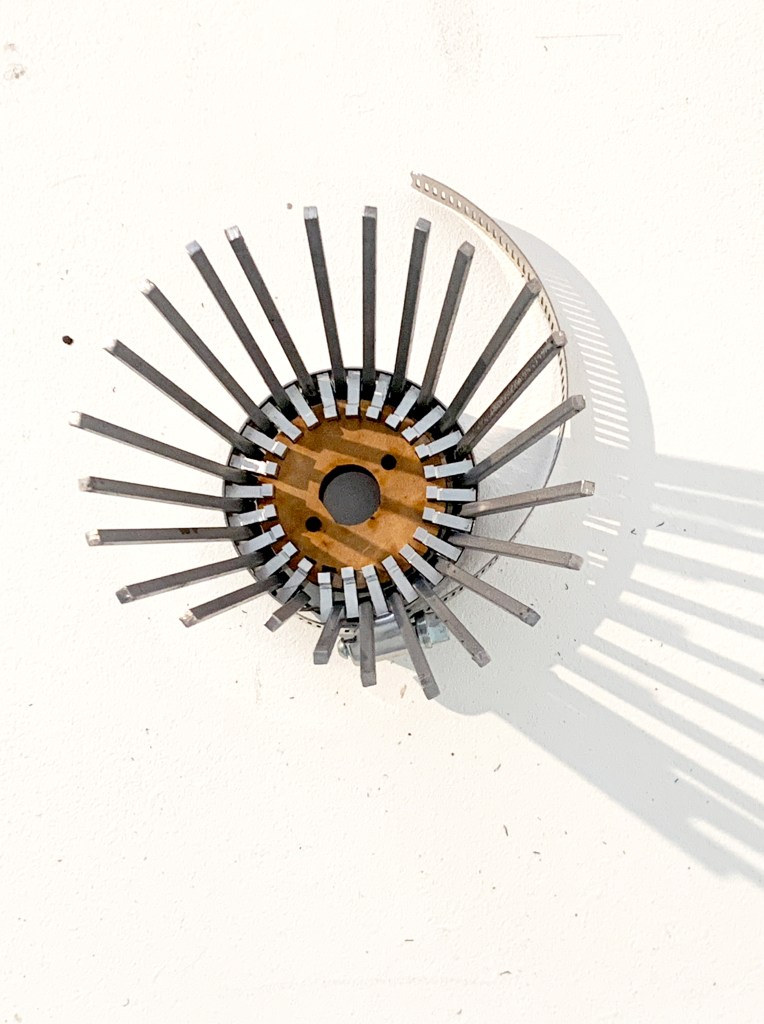
A loom is an infrastructure upon which the artist produces artifacts, the same way that the mind is an infrastructure for thoughts. The form of this cylindrical loom is inspired by many different designs including ancient warp-weighted looms, heddle looms, and Kumihimo braiding looms. The objective of weaving on this cylindrical loom is to personify a transcriber in the nucleus that writes how a protein will be made, and when it makes a mistake in decoding information it leads to new outcomes, the same way the language can be transcribed, or data decoded. The loom becomes a representational device to spin DNA sequences and contemplate the difference between biological and cultural emergence to mediate the division between automated and manual labor, nature and culture.

I designed this cylindrical loom to mimic the process of spinning double-helix stranded DNA . When I weave on my loom, I personify a transcriber protein that tells the cells how to be made, or in my case, what threads to reveal to make diverse designs. When there is a mistake in writing the DNA, a mutation occurs that creates new variation. This biological process can be likened to creativity where accidents in designing can lead to new outcomes.
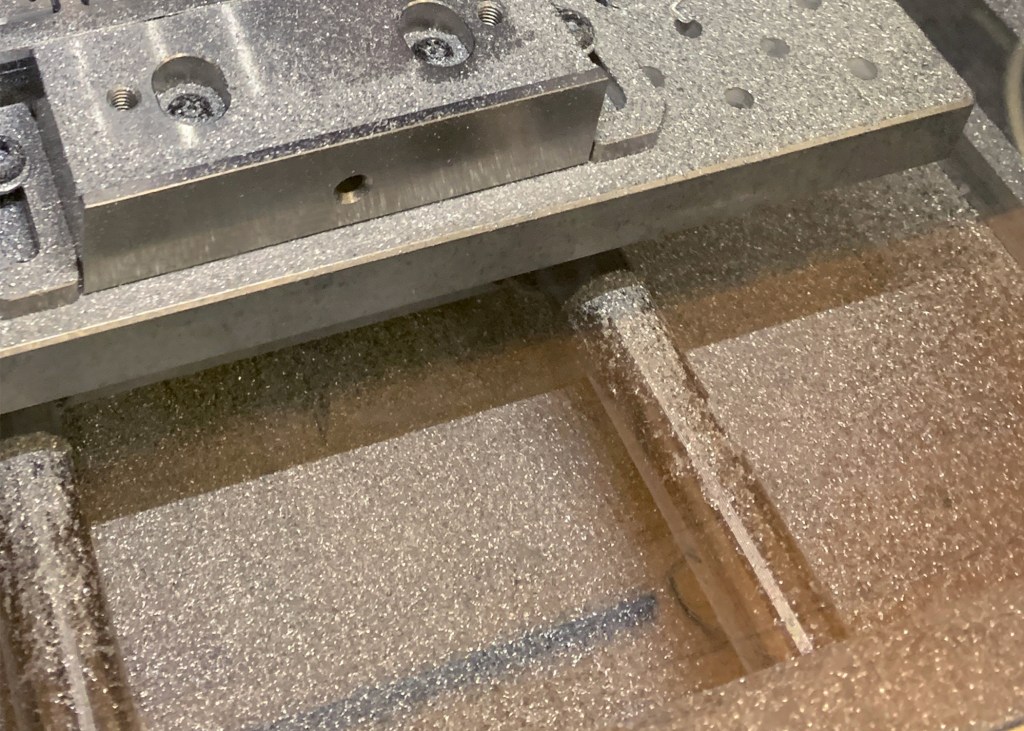
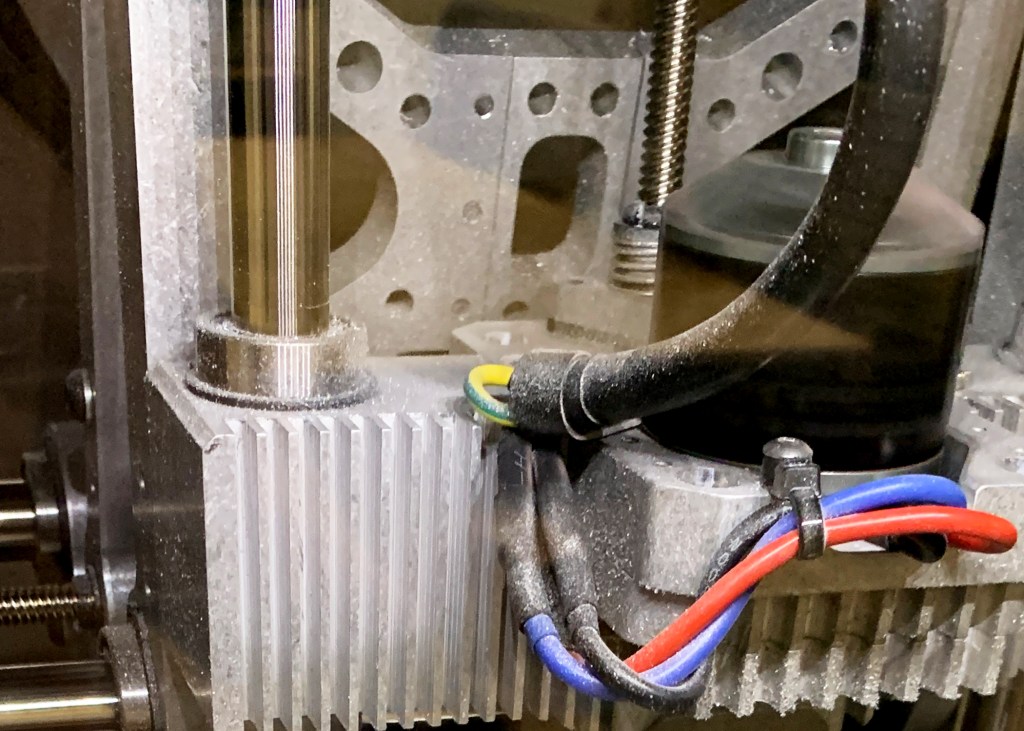
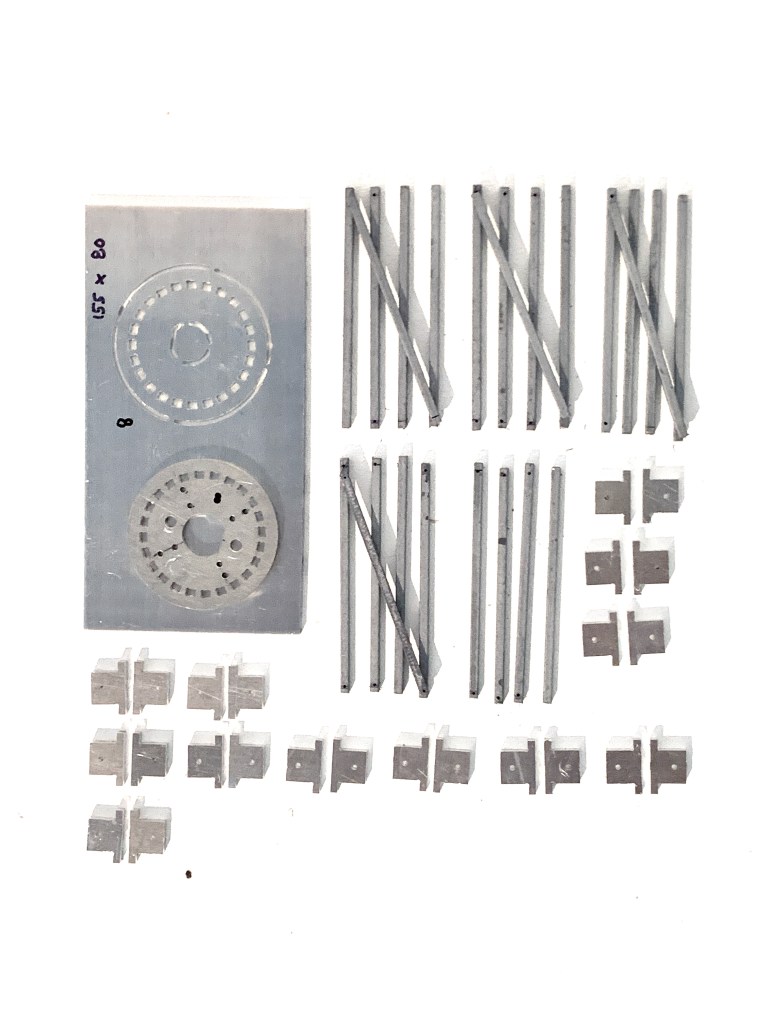
I sat with the milling machine for hundreds of hours as it produced the parts to build the umbrella-like shafts. It drained electricity, shattered bits, and sprinkled a fine metallic dust over my work space. I gave the machine instructions but it always depended on me to let it know if something went wrong.
 emma Akmakdjian